POLYCYCLIC AROMATIC HYDROCARBONS IN SEAFOOD FROM THE MEDITERRANEAN SEA.
- Görüntülenme 23
- İndirme 0
-
 Google Akademik
|
Eser Adı dc.title |
POLYCYCLIC AROMATIC HYDROCARBONS IN SEAFOOD FROM THE MEDITERRANEAN SEA. |
|---|---|
|
Yazarlar dc.contributor.author |
Çiftçi, Nuray |
|
Yazarlar dc.contributor.author |
AYAS, Deniz |
|
Yayıncı dc.publisher |
DergiPark |
|
Yayın Türü dc.type |
Derleme |
|
Özet dc.description.abstract |
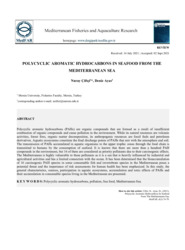
Polycyclic aromatic hydrocarbons (PAHs) are organic compounds that are formed as a result of insufficientcombustion of organic compounds and cause pollution in the environment. While its natural resources arevolcanicactivities, forest fires, organic matter decomposition, its anthropogenic resources are fossil fuels andpetroleumderivatives. Aquatic ecosystems constitute the final discharge points of PAHs that mix with the atmosphereandsoil.The transmission of PAHs accumulated in aquatic organisms to the upper trophic zones through the foodchainistransmitted to humans by the consumption of seafood. It is known that there are more than a hundredPAHcompounds in the environment, but 16 of them are considered as priority pollutants due to their carcinogeniceffects.The Mediterranean is highly vulnerable to these pollutants as it is a sea that is heavily influenced byindustrialandagricultural activities and has a limited connection with the ocean. It has been determined that the bioaccumulationof 16 carcinogenic PAH species in some consumable fish and invertebrate species in the Mediterraneanposesapotential threat and the importance of risk assessments for human health has been emphasized. Inthis study, thegeneral characteristics, sources, participation in aquatic ecosystems, accumulation and toxic effects of PAHsandtheir accumulation in consumable species living in the Mediterranean are presented. |
|
Kayıt Giriş Tarihi dc.date.accessioned |
2025-06-11 |
|
Yayın Yılı dc.date.issued |
2021 |
|
Açık Erișim Tarihi dc.date.available |
2025-06-11 |
|
Dil dc.language.iso |
eng |
|
Konu Başlıkları dc.subject |
Polycyclic aromatic hydrocarbons |
|
Konu Başlıkları dc.subject |
pollution |
|
Konu Başlıkları dc.subject |
Sea food |
|
Konu Başlıkları dc.subject |
Mediterranean Sea |
|
Atıf İçin Künye dc.identifier.citation |
Çiftçi, N., & Ayas, D. (2021). POLYCYCLIC AROMATIC HYDROCARBONS IN SEAFOOD FROM THE MEDITERRANEAN SEA. Mediterranean Fisheries and Aquaculture Research, 4(3), 74-79. |
|
ISSN dc.identifier.issn |
e-ISSN: 2618-6551 |
|
İlk Sayfa dc.identifier.startpage |
74 |
|
Son Sayfa dc.identifier.endpage |
79 |
|
Dergi Adı dc.relation.journal |
Mediterranean Fisheries and Aquaculture Research |
|
Dergi Sayısı dc.identifier.issue |
4 |
|
Dergi Cilt dc.identifier.volume |
3 |
|
Tek Biçim Adres (URI) dc.identifier.uri |
https://hdl.handle.net/20.500.14114/7074 |
|
İndekslenen Platformlar dc.source.database |
CABI |
Creative Commons Lisansı
|

|